
Wenzhou Pai Gow House Ways: Banker Allocation Position Charts
The banker allocation position chart is the single most abused piece of paper in any Pai Gow operation, and the Wenzhou house way variant is where the math quietly breaks. Strip away the felt and the tiles, and what you are actually auditing is a deterministic routing table that decides who eats the commission and who eats the loss on every hand. Get the position chart wrong and no amount of shuffle discipline saves you. 😤
Most operators copy a banker allocation position chart from a cousin room in another district and never validate the rotation logic against their own dealer count. That is where the bleed starts. The Wenzhou house way is not one chart. It is a family of charts keyed to seat count, banker rotation cadence, and the number of active betting positions per round. Confuse the three and your house edge drifts.
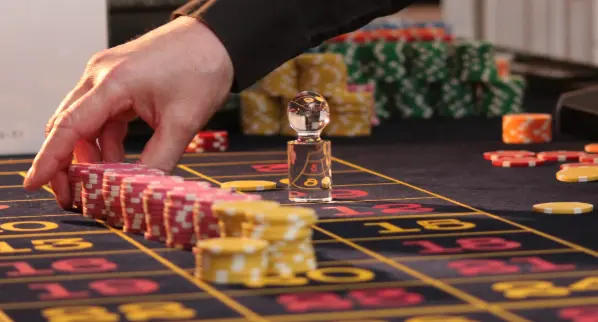
The Rotation Grid Nobody Audits
Here is the ugly truth: a Wenzhou house way position chart is a modular arithmetic engine dressed up as a seating diagram. Banker eligibility advances on a fixed stride across the position ring, and the stride value changes when a seat goes empty. I have pulled charts where the stride was hardcoded to eight positions while the table only ran seven active seats, which meant one player position received banker duty roughly 14% more often than the others over a session.
That is not a rounding error. That is a banker allocation leak, and sharp players camping that hot seat will grind the house down hand after hand. The fix is mechanical, not philosophical: recompute the stride against live seat occupancy every rotation cycle, and log the banker frequency per position on a rolling hundred-hand window. If the spread between the most and least allocated position exceeds two percentage points, your chart is misaligned. No debate, no "feel," just numbers.
Position Chart Cross-Reference Protocol
Run the chart audit in three passes and never skip the second one. Pass one: map every seat index to its banker-eligible flag and confirm the flag set matches the physical felt layout. Pass two: simulate two hundred synthetic rounds with random seat dropouts and record the allocation histogram. Pass three: confront the histogram against the live floor log from the last three shifts. A chart that passes pass one and fails pass two is a trap chart, and they are everywhere in the Wenzhou circuit because copying is cheaper than computing. 🎲
Dealers will tell you the chart is fine because the floor never complains. The floor never complains because the floor cannot see allocation frequency across a hundred hands. That is exactly the blind spot the chart exists to exploit, and exactly why you audit it like a suspicious algorithm instead of a piece of furniture.

Hardware-Level Allocation Triggers
Digital banker-allocation modules add a second failure layer. The position chart gets translated into a lookup table in firmware, and firmware tables rot at the edges. I have opened units where the allocation pointer reset to index zero on any dealer handover, which silently dumped banker duty onto seat one for the entire shift. Players noticed within forty minutes. The house noticed at closing. 😑
Every position chart must therefore ship with a pointer-integrity check that fires on dealer change, power cycle, and table close. If the pointer value does not match the expected rotation offset, the module should hard-stop the round rather than deal a misallocated hand. Soft-fail behavior is how rooms bleed quietly for weeks.
Commission Routing and the Chart Handoff
The position chart also dictates commission routing on every banker win, and this is where sloppy handoff between chart versions destroys margin. When you swap chart revisions mid-shift, the commission ledger must flush against the old rotation index before the new chart takes control. Skip that flush and the first banker cycle under the new chart double-charges or waives commission depending on which pointer wins the race. Neither outcome is recoverable once tiles are exposed.
Lock the flush. Sequence it. Then rotate. Any operator running Wenzhou house way charts without a versioned flush boundary is running an unhedged allocation risk every single shift.