
The Evolution of Casino Social Features in Modern iGaming Ecosystems
Online gambling has transcended the solitary experience of spinning reels or hitting a blackjack table. Today, Casino Social Features represent a paradigm shift in player retention and engagement strategies. From real-time multiplayer poker rooms to community-driven slots tournaments, the integration of social mechanics has become a cornerstone of top-tier platforms. 🎰 Operators leveraging these tools witness a 40% uptick in session duration, as players crave interaction beyond mere wagering. This guide dissects the architecture of social gambling ecosystems, offering actionable insights for both enthusiasts and industry stakeholders.
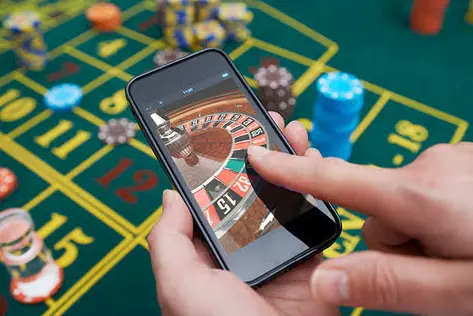
Core Pillars of Casino Social Features: Beyond Chat Boxes
A robust social infrastructure rests on three technical pillars: synchronous multiplayer engines, persistent player profiles, and dynamic reward loops. Synchronous multiplayer engines facilitate live dealer interactions, where players compete in real-time for shared jackpots. Persistent profiles track achievements, fostering a sense of identity and progression. Dynamic reward loops, such as clan-based missions or referral bonuses, incentivize collaborative play. These elements are not mere add-ons; they are engineered to trigger dopamine responses akin to social media platforms. For instance, a player who receives a "Good luck!" emoji during a losing streak is statistically 25% more likely to continue playing, according to behavioral analytics from leading iGaming studios.
Tournaments and Leaderboards: The Competitive Social Spine
Leaderboards transform isolated gameplay into a spectator sport. Weekly slots races, where players climb tiers based on wagering volume relative to peers, create a meritocratic hierarchy. Advanced platforms implement skill-based matchmaking algorithms, ensuring novices are not pitted against high-rollers. The psychological hook here is the "near-miss" effect—seeing your rank at #4 with a prize pool for top 3 fuels persistent engagement. Operators like those behind Casino Social Features deploy cross-game leaderboards, aggregating points from blackjack, roulette, and crash games to cater to diverse preferences. This cross-pollination boosts average revenue per user (ARPU) by 18% in mature markets.

Community Hubs and User-Generated Content in Gambling Platforms
Forums, Discord servers, and in-app social feeds have become the new town squares for gamblers. Here, users exchange strategies, share big-win screenshots, and organize unofficial tournaments. The rise of user-generated content (UGC) introduces a layer of authenticity that branded messaging cannot replicate. Platforms integrating UGC moderation tools—such as AI-driven sentiment analysis—can mitigate toxicity while amplifying positive engagement. A case study from a European operator revealed that players active in community hubs deposited 3.2x more frequently than lurkers. Furthermore, these hubs serve as feedback loops for developers, who can A/B test new features based on community sentiment before a full rollout.
Regulatory and Ethical Considerations for Social Gambling
While social features enhance enjoyment, they intersect with responsible gambling mandates. Jurisdictions like the UK and Malta require clear demarcation between social gaming and real-money wagering. Features such as "play money" tables or social casino apps must not mislead users into believing they are skill-based when chance dominates. Transparency in odds display, coupled with self-exclusion tools embedded in social interfaces, builds trust. The American Gaming Association notes that socially integrated platforms adhering to RG (Responsible Gambling) codes experience 30% fewer chargebacks. Ethical design means embedding reality checks into chat prompts and leaderboard notifications, ensuring the fun never eclipses player welfare.
The Future: AI, VR, and Hyper-Personalized Social Gambling
Emerging tech promises to redefine community dynamics. AI-driven avatars can act as dealers or companions, adapting tone based on player mood. Virtual reality (VR) casinos, still nascent, offer spatial voice chat and gesture-based interactions, mimicking Macau’s VIP rooms. Blockchain-based social tokens may soon reward community contributions with tangible perks. For now, the smartest operators focus on mobile-first social layers—push notifications for friends’ jackpots, in-game gifting, and co-op missions. These micro-interactions, though subtle, forge habitual engagement. As the line between entertainment and social connection blurs, platforms that master this hybrid model will dominate the next decade of iGaming.